
Doubling of Primary School Exclusions in the UK: A Call for Action
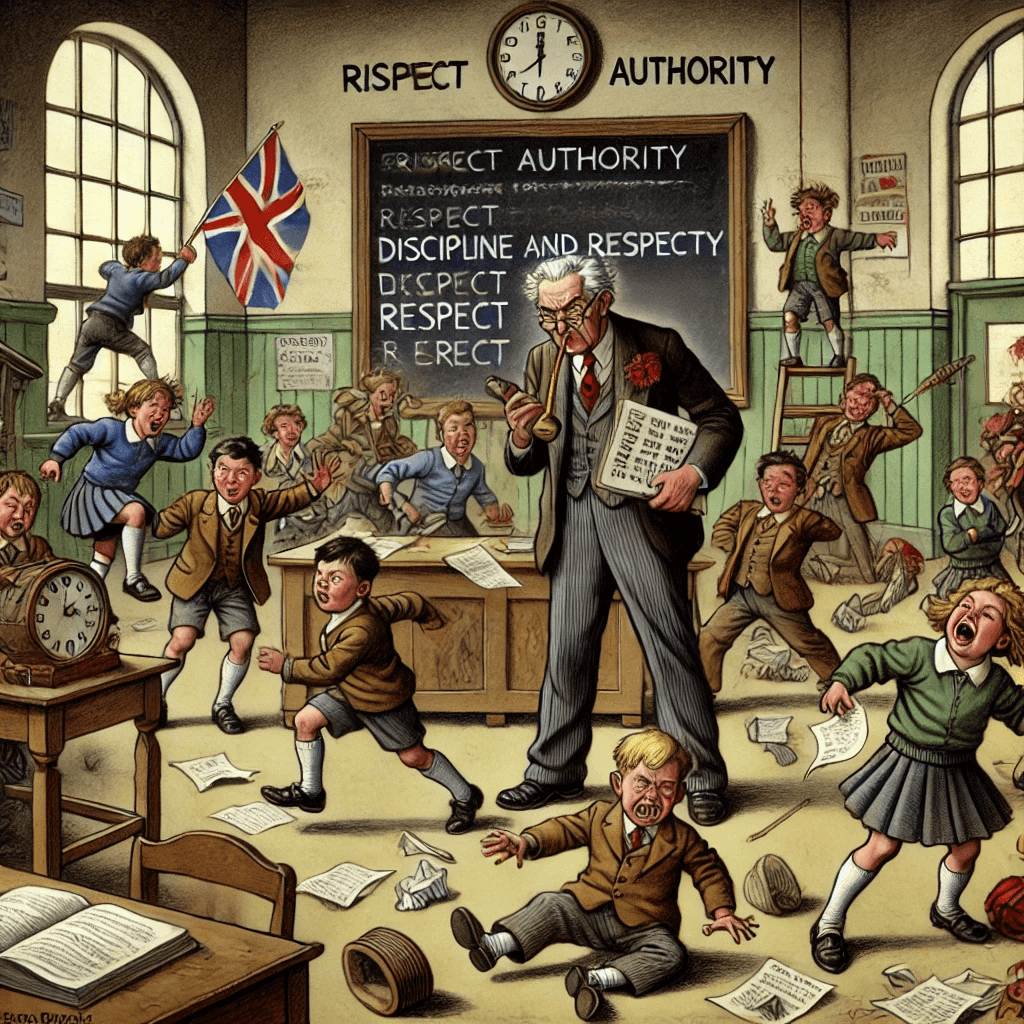
Doubling of Primary School Exclusions in the UK: A Call for Action
Author: Stephen James
Published: 25th November 2024
Recent reports reveal a troubling trend in UK education: primary school exclusions have doubled since the pandemic. This increase has reignited the debate over discipline policies and the role of traditional values in fostering a safe and effective learning environment for all pupils.
Primary School Exclusions Surge in the UK
The latest figures from the Department for Education highlight a sharp rise in exclusions across UK primary schools. Permanent exclusions have increased by 44% in the last year, totalling 9,400 cases. Suspensions are also on the rise, with 787,000 instances recorded—a 36% jump. Persistent disruptive behaviour remains the leading cause, responsible for 39% of expulsions and nearly half of all suspensions.
These numbers are not just statistics; they are symptomatic of deeper challenges within the educational framework.
The Impact of the Pandemic on Behaviour
The COVID-19 pandemic caused widespread disruptions to social norms and routines, leaving a lasting impact on student behaviour. Amanda Spielman, former Ofsted Chief Inspector, observed that the pandemic fractured the traditional social contract between schools and families. This breakdown has led to rising absenteeism and behavioural problems in classrooms.
School closures, isolation, and uncertainty exacerbated emotional and behavioural issues, which now manifest as challenges for educators striving to maintain classroom order.
Reinstating Traditional Values in Schools
From a conservative viewpoint, the rise in exclusions underscores a pressing need to return to traditional discipline policies and educational values. The increase in disruptive behaviour highlights a broader cultural shift—one that has seen a decline in respect for authority and the erosion of the standards that once defined UK schools.
Reaffirming these values isn’t about nostalgia but about recognising their role in shaping a conducive learning environment.
Empowering Teachers to Enforce Discipline
To address the growing crisis of primary school exclusions, it is essential to empower teachers and school leaders. They must have the authority to enforce discipline swiftly and decisively, ensuring that disruptive behaviour does not undermine the education of the majority. Policies that support teachers in maintaining order can help restore classroom environments where learning thrives.
Equally important is the role of parents in establishing discipline at home. When children are taught to respect authority and follow rules from an early age, they are better prepared to adapt to the structured environment of a school. Parents who instil these values create a foundation for their children to engage positively with teachers and peers. This alignment between home and school discipline fosters consistency, reinforcing the importance of mutual respect and cooperation.
The Crucial Role of Parental Engagement
Parents play an equally important role in addressing this issue. The partnership between educators and parents is vital in reinforcing discipline and respect both at home and in school. Parents must actively support teachers’ efforts to instil these values, ensuring a consistent approach to behavioural expectations.
Rebuilding this partnership can be a cornerstone in reversing the trend of increasing exclusions.
The Road Ahead for UK Education
The doubling of primary school exclusions since the pandemic serves as a stark wake-up call for the UK education system. While the challenges are significant, they also present an opportunity to recalibrate and reaffirm what works best for pupils and educators alike.
By prioritising traditional values, strengthening discipline policies, and fostering collaboration between schools and families, we can restore the high standards that have long been the hallmark of quality education in the UK.
SJ
FAQs
What are the main causes of primary school exclusions in the UK?
Persistent disruptive behaviour is the leading cause of exclusions, accounting for nearly half of all suspensions and a significant percentage of expulsions.
How has the pandemic impacted student behaviour?
The pandemic disrupted social norms and routines, leading to increased absenteeism and behavioural problems among students, as noted by education leaders like Amanda Spielman.
Why is there a call for traditional values in schools?
Traditional values, such as respect for authority and discipline, are seen as essential for maintaining a conducive learning environment and ensuring educational success.
What can schools do to address rising exclusions?
Schools can empower teachers to enforce discipline effectively and implement policies that allow swift action against disruptive behaviour.
How can parents help reduce exclusions?
Parents can engage more closely with schools, reinforcing discipline and respect at home while supporting teachers’ efforts in the classroom.
What role do government policies play in this issue?
Government policies are crucial in providing resources, support, and frameworks that enable schools to maintain order and address behavioural challenges effectively.
The Author: Stephen James
Stephen James is an award-winning teacher, specialist leader of education, and founder of Conservative Friends of Education, as well as Folkestone & Hythe Conservative Association chairman.